


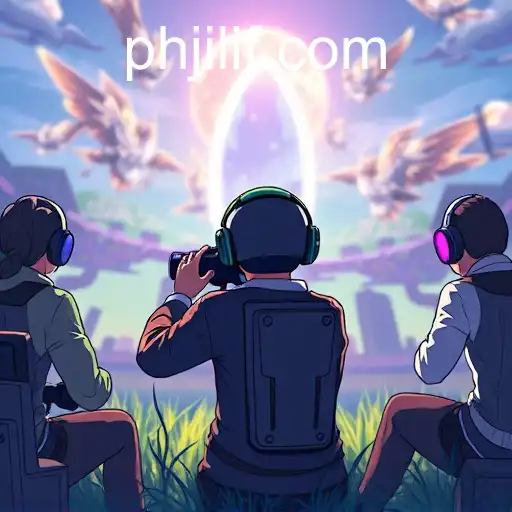
In the fast-evolving landscape of online gaming, the keyword 'Jilif' has gained significant traction among global gaming enthusiasts. In the year 2025, with a myriad of gaming platforms vying for attention, Jilif stands out as a prime destination for players seeking a blend of entertainment, competition, and community.
Jilif's appeal lies not only in its diverse game offerings but also in its dynamic, player-driven communities. Gamers are no longer passive participants; they contribute to the creation and evolution of in-game worlds, strategies, and narratives. This shift towards community-driven content has been facilitated by advancements in technology and gaming interfaces, allowing for unprecedented levels of interaction and creativity.
Reports on recent trends indicate that the social aspect of gaming is crucial in 2025. Platforms like Jilif leverage social connectivity features, allowing players to share experiences, collaborate on strategies, and build rich, online relationships. This aspect has become even more pronounced with the integration of augmented reality (AR) and virtual reality (VR) technologies, enhancing the immersive experience and making the virtual interactions feel more tangible.
In terms of economic impact, the gaming industry continues to grow robustly, with Jilif contributing a significant share. Analysts predict further growth as more people across various demographics embrace gaming as a legitimate form of entertainment and connection. The monetization strategies have also evolved, with premium subscriptions, in-game purchases, and advertising playing crucial roles in revenue generation.
As we witness these shifts, it's clear that gaming today is not just about leisure; it's part of a broader cultural and social framework. Platforms like Jilif are reshaping how we perceive digital interaction and entertainment, making the sphere vibrantly diverse and reflective of the collective creativity of its participants.